

St. Petersburg Slip and Fall Lawyer
Common Causes of Slip and Fall Accidents in St. Petersburg
Slip and fall accidents rarely happen by chance. In many cases, they stem from property owners, managers, or businesses failing to correct hazards or warn visitors before someone gets hurt. The most frequent causes include:
- Wet floors: Spills, leaks, tracked-in rainwater, recently mopped surfaces, or refrigeration runoff can leave walking areas dangerously slick.
- Uneven walking surfaces: Cracked sidewalks, potholes, loose floorboards, curled mats, torn carpeting, and broken tiles can create serious slip or trip hazards.
- Poor lighting: Dim stairwells, hallways, parking lots, garages, entryways, and walkways can make dangerous conditions difficult to notice in time.
- Cluttered aisles and obstructed pathways: Cords, boxes, merchandise, cleaning equipment, and debris left in walkways can easily cause a fall.
- Unsafe stairs and handrails: Missing railings, loose steps, inconsistent stair height, and slippery stair treads can make staircases especially dangerous.
- Lack of warning signs: Known hazards, such as wet floors, maintenance areas, or damaged walking surfaces, should be marked before visitors are exposed to them.
- Negligent property maintenance: Apartment complexes, hotels, restaurants, grocery stores, shopping centers, and office buildings can become unsafe when hazards are ignored or repairs are delayed.

Types of Slip, Trip, and Fall Accidents We Take in St. Petersburg
Accidents may happen in busy commercial spaces, residential properties, tourist-heavy areas, and public access points throughout the city.
Spilled liquids, dropped merchandise, freshly mopped floors, and unmarked wet surfaces create dangerous conditions that store employees are responsible for identifying and correcting. If a St. Petersburg retailer failed to inspect its aisles or warn shoppers of a known hazard, our slip and fall attorneys in St. Petersburg can investigate the claim and pursue the compensation you deserve.
Grease, water, and slick tile are common in food service environments, and so are falls. When a St. Petersburg restaurant or bar fails to mark slippery surfaces, maintain non-slip flooring, or address known drainage problems, injured guests have the right to pursue compensation from the property owner.
Landlords and property managers are responsible for maintaining safe common areas. Broken stairwells, loose handrails, cracked walkways, and poorly lit parking areas in St. Petersburg residential properties can give rise to a premises liability claim when management ignores known maintenance issues.
Potholes, uneven pavement, broken wheel stops, poor drainage, and inadequate lighting turn ordinary parking lots and sidewalks into hazards. Our St. Petersburg slip and fall lawyers have handled these cases across Pinellas County and know how to establish property owner liability when a dangerous condition causes injury.
St. Petersburg's hospitality industry attracts visitors year-round, but wet pool decks, slippery lobby floors, unmarked maintenance areas, and poorly maintained stairwells put guests at risk. Hotels and resorts owe a duty of care to every guest and can be held accountable when that duty is breached.
Homeowners who invite guests onto their property are required to warn of known hazards and maintain reasonably safe conditions. If you were injured on someone's residential property due to a dangerous condition the owner failed to address, our slip and fall lawyers in St. Petersburg are ready to evaluate your claim at no cost.
Common Slip and Fall Injuries
Slip and fall injuries often look minor at first, but many victims later discover injuries that require weeks or months of treatment. Falls in St. Petersburg can interrupt work, mobility, and day-to-day independence by causing:
- Broken bones and fractures
- Head injuries and concussions
- Back and spinal injuries
- Knee, hip, and ankle injuries
- Soft-tissue damage
- Lacerations

Who Can Be Held Liable for a Slip and Fall in St. Petersburg?
Liability in a Florida premises liability case does not always rest with the property owner alone. Depending on who controlled the space where the fall occurred, multiple parties may share responsibility for a dangerous condition.
- Property owners: These individuals are responsible for inspecting, maintaining, and warning visitors of hazardous conditions on their property, whether commercial or residential.
- Business operators and tenants: A business that leases space still owes a duty of care to its customers. If the tenant controlled the area where the fall occurred, that tenant may be liable regardless of who owns the building.
- Property management companies: Companies hired to manage apartment complexes, commercial buildings, or shopping centers can be held liable when negligent maintenance of common areas results in injury.
- Landlords: Responsible for conditions in common areas under their control, including stairwells, walkways, parking lots, and building entrances.
- Government entities: Falls on public sidewalks, municipal parking lots, or government buildings may involve a claim against a city or county.
Florida Premises Liability Laws You Should Know
Florida slip and fall claims are governed by premises liability law, and the rules that determine whether you can recover compensation are more specific than most people realize.
We have handled these cases in Florida courts for over two decades and know exactly where property owners and their insurers look for weaknesses in a claim.
Florida premises liability law requires owners, occupiers, and others in control of property to inspect for hazards, correct dangerous conditions promptly, and warn visitors when a risk cannot be fixed immediately.
Failing any one of these obligations can establish the foundation of a valid claim. Our St. Petersburg slip and fall lawyers identify exactly where that obligation was breached and build your case around the specific failure that caused your fall.
In cases involving spills, tracked-in water, and refrigeration leaks, Florida Statute § 768.0755 requires proof that the business had actual or constructive knowledge of the condition. Constructive knowledge may be established when the hazard existed long enough that a reasonable inspection would have found it, or when the same type of condition recurred so regularly that the business should have anticipated it.
Under House Bill 837 (2023), Florida moved from pure to modified comparative negligence. If you are found more than 50% at fault for your own injuries, you recover nothing. Insurers routinely argue that the hazard was obvious, that you were distracted, or that your footwear was inappropriate to push your fault above 50%.
We document the hazard, the lighting, the missing warning signs, and the inspections that never happened before those arguments get traction.
House Bill 837 cut Florida's filing deadline for negligence-based claims from four years to two years, codified in Florida Statute § 95.11(3)(a). The clock starts on the date of the accident. Courts grant no extensions for ongoing treatment, unresolved insurance negotiations, or unawareness of the deadline.
At Zervos & Calta, we identify your exact deadline from the first call and work diligently to ensure no filing window is missed.
Steps You Should Take After a Slip and Fall Accident
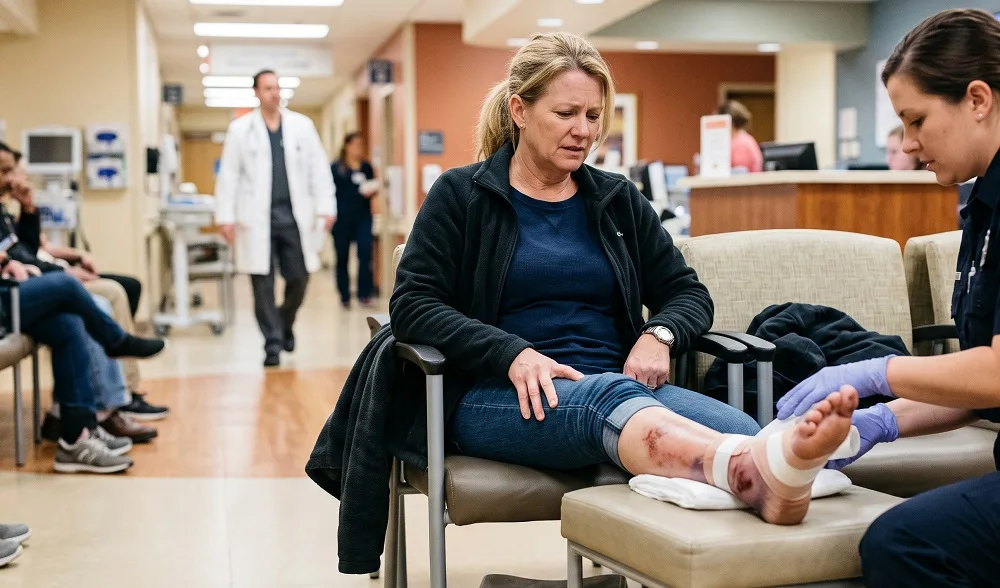
What you do in the hours and days after a fall can affect both your physical recovery and the strength of your premises liability claim. Evidence disappears quickly, surveillance footage may be overwritten, and insurance companies often start building their defense immediately.
- Report the incident right away: Notify the manager, landlord, property owner, or employee in charge and ask that a written incident report be created before you leave.
- Document the scene before conditions change: Take photos or video of the spill, broken surface, missing warning sign, poor lighting, or other hazard, along with your shoes, clothing, and visible injuries.
- Collect witness information: Names and contact details from people who saw the fall or noticed the dangerous condition can become important if the property owner later disputes what happened.
- Get medical treatment as soon as possible: Prompt care protects your health and creates records linking the fall to your injuries, treatment needs, and pain complaints.
- Preserve every expense and record: Save discharge paperwork, prescriptions, receipts, mileage, follow-up instructions, work-loss records, and any communication from the property owner or insurer.
Do not give the insurer a recorded statement alone. Early conversations are often used to minimize the claim, so it is safer to speak with a lawyer before answering detailed questions.
Financial Recovery Available After Property Falls
The value of a slip and fall claim depends on the severity of the injury, the medical treatment required, the time missed from work, and the long-term effect on the victim's life. In the right case, compensation can include both economic damages and non-economic damages.
- Medical expenses: Emergency transport, hospital bills, surgery, imaging, orthopedic care, physical therapy, medication, and projected future treatment may all be recoverable.
- Lost income and reduced earning ability: Victims may seek compensation for missed paychecks, lost self-employment income, reduced hours, and diminished future earning capacity.
- Pain and suffering: Florida law may allow recovery for physical pain, emotional distress, inconvenience, mental anguish, and the ways the injury changes daily life.
- Long-term care and disability losses: Serious falls can create permanent limitations that require mobility devices, home modifications, personal assistance, or continuing rehabilitation.
- Other out-of-pocket losses: Transportation to appointments, replacement services, and other accident-related expenses can also become part of the claim when properly documented.
The Attorneys Who Will Handle Your Case from Day One
 "Insurance companies have teams of lawyers. You deserve an attorney who knows your name and fights just as hard for you."
Angela Zervos
With 20+ years of undefeated litigation experience, Angela delivers aggressive advocacy and genuine care for every client.
 "Our clients aren't case numbers. They're our neighbors who need someone who genuinely cares about their recovery."
Lauren Calta
With 30 years of courtroom experience, Lauren blends fierce representation with compassion and clear communication.



Why St. Petersburg Injury Victims Choose Zervos & Calta


Proven Trial Experience
Six decades of combined litigation success in Florida courts with an undefeated courtroom record spanning 20+ years.

Direct Attorney Involvement
Personal representation from Angela Zervos or Lauren Calta throughout your personal injury case, with no delegation to associates or paralegals.

Contingency Fee Basis
Zero upfront costs or retainer fees; our legal team only receives payment when you successfully recover compensation through settlement or verdict.














%20(1)%201.avif)
%20(1)%201.avif)
%20(1)%202.avif)
%201.avif)
%201.avif)
%20(1)%201.avif)
Serving St. Petersburg and Nearby Pinellas County Communities
Our Spring Hill office location provides direct access for injured residents throughout Hernando County and the surrounding areas.

Time to Hold Property Owners Responsible. Call Today.
Obtain the legal representation your injury demands. Contact our St. Petersburg slip and fall lawyer for a no-cost case evaluation and let our experienced legal team begin investigating your premises liability claim before critical evidence disappears or witness memories fade.
Your Premises Liability Questions Answered
Our premises liability attorneys work on contingency, which means legal fees are collected only if you recover compensation through settlement or verdict. That structure allows injured victims to move forward without taking on more financial pressure after a serious fall.
In many cases, yes. Slip and fall claims often look straightforward until the insurance company starts challenging notice, fault, or the seriousness of the injury. An attorney can investigate the hazard, preserve surveillance footage, deal with adjusters, and build a claim around the full value of your medical costs, income loss, and pain and suffering.
Every case depends on the evidence. Strong claims often involve proof of a dangerous condition, proof that the owner knew or should have known about it, and medical documentation tying the injuries to the fall. The clearer the liability evidence and the better the documentation, the stronger the case becomes.
Timelines vary. Some claims resolve in a matter of months, while contested cases involving severe injuries, disputed liability, multiple defendants, or litigation may take much longer. What matters most is building the case correctly instead of accepting a quick settlement that undervalues long-term harm.