

St. Petersburg Truck Accident Lawyer
Why Truck Accidents Happen in St. Petersburg
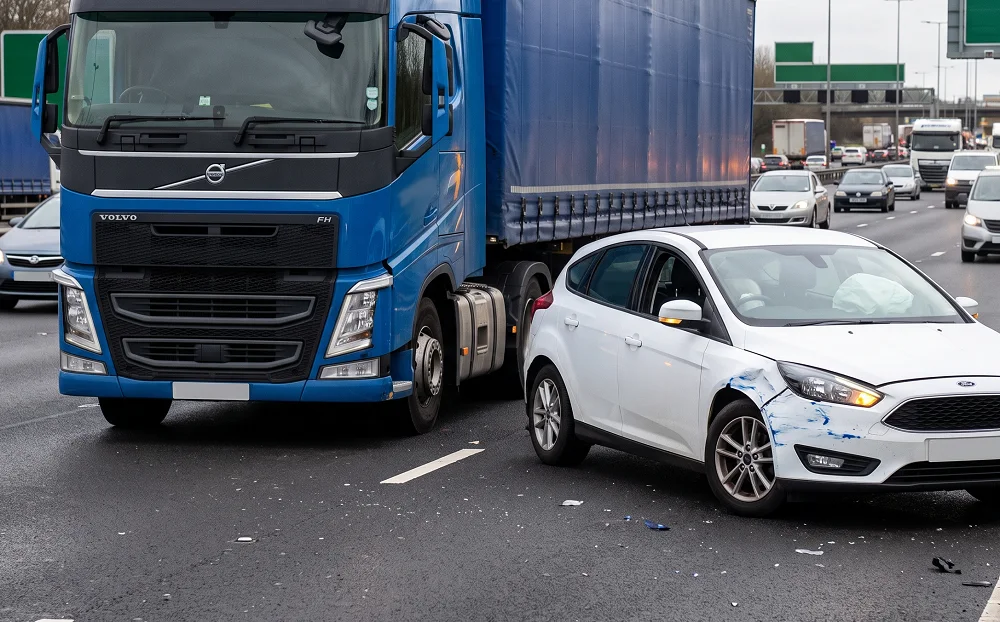
Commercial vehicles travel throughout St. Petersburg every day, transporting goods through Pinellas County and connecting to major routes such as Interstate 275, US-19, and Gandy Boulevard. Many crashes trace back to preventable conduct.
- Driver fatigue: Truck drivers often spend long hours behind the wheel. Fatigue reduces reaction time, impairs judgment, and increases the likelihood of mistakes. Hours-of-service violations are a frequent issue in crash investigations.
- Distracted driving: Cell phones, dispatch communications, onboard technology, and paperwork can divert a driver's attention from surrounding traffic. Even a few seconds of distraction at highway speed covers the length of a football field.
- Speeding and driving too fast for conditions: Large commercial vehicles require substantially more distance to stop than passenger cars. Excessive speed, or failing to adjust for traffic, weather, or construction zones, can turn a manageable situation into a severe collision.
- Following too closely: Heavy trucks need additional braking distance. Tailgating in interstate traffic can result in devastating rear-end crashes, especially when slowdowns occur unexpectedly.
- Improper cargo loading: Cargo that shifts during transport can affect balance and vehicle control, especially during turns or emergency maneuvers. Improperly secured loads can also fall onto the roadway and create hazards for other drivers.
- Mechanical problems: Brake failures, tire blowouts, steering issues, and other equipment problems may contribute to truck accidents when inspections or repairs are neglected. Federal regulations require routine maintenance documentation.
- Unsafe lane changes: Commercial trucks have significant blind spots, often called "no-zones", along both sides and directly behind the trailer. Failure to properly monitor surrounding traffic can result in sideswipe collisions.
Types of Truck Accident Cases We Handle
Every truck accident has its own set of facts, evidence, and liability questions. Our firm represents clients injured in many different types of commercial vehicle crashes across Pinellas County.
When a commercial truck strikes a smaller vehicle from behind, occupants often suffer significant injuries because of the force involved. These cases turn on following distance, braking response, and how the driver reacted to traffic conditions before impact.
A jackknife occurs when the trailer swings outward and forms an angle with the cab, often after sudden braking or loss of traction. These incidents can block multiple lanes and involve several vehicles.
Rollover accidents may occur because of excessive speed, improper cargo distribution, or sudden steering inputs. They frequently affect multiple lanes and produce catastrophic injuries.
These collisions happen when a passenger vehicle becomes trapped beneath a trailer. Underride events are among the most severe truck accidents because of the height difference and limited protection for occupants in smaller vehicles.
Commercial trucks require additional space when turning, particularly when making right turns. Drivers who misjudge surrounding traffic can collide with nearby vehicles and cyclists.
Motorists traveling alongside large trucks may become hidden from the driver's view. Failure to monitor mirrors and blind spots can result in severe sideswipe impacts.
Crashes involving box trucks, package delivery vehicles, and local commercial fleets often present liability issues involving employers, contractors, and third-party delivery services operating in St. Petersburg neighborhoods.
Injuries Commonly Seen in Truck Accident Cases
Truck accidents involving commercial vehicles often cause injuries that are more severe and costlier to treat than those in a typical car accident. Before discussing compensation, our Tarpon Springs truck accident attorneys document the full extent of a client's injuries, which commonly include:
- Traumatic brain injuries
- Spinal cord injuries
- Neck and back injuries
- Broken bones
- Internal injuries
- Severe burns
- Amputations
- Fatal injuries
At Zervos & Calta, we investigate the crash, identify every liable party, and negotiate directly with insurers to recover compensation for your medical bills, lost income, and pain and suffering. If a fair settlement isn't offered, we take your case to trial.

Who May Be Liable for a St. Petersburg Truck Accident
Truck accident cases often involve more than one responsible party. Identifying every potentially liable defendant matters because it can determine the total insurance coverage available to compensate you.
The Truck Driver
Drivers may be liable when crashes result from careless driving, fatigue, distraction, impairment, or traffic violations. Their personal driving history and FMCSA compliance record become evidence in the claim.
The Trucking Company
A motor carrier may bear responsibility for negligent hiring, inadequate training, poor supervision, unsafe scheduling, or pressure to violate hours-of-service rules. Many trucking companies carry liability policies far exceeding standard auto coverage.
Cargo Companies and Shippers
Improperly loaded cargo can create dangerous driving conditions that contribute to a collision. Shippers and freight loaders may share responsibility when securement standards are ignored.
Maintenance Providers
Third-party maintenance contractors may be liable when mechanical failures stem from inadequate inspections or repairs. Federal regulations require documentation of routine maintenance.
Vehicle and Parts Manufacturers
Defective brakes, tires, steering components, and other equipment may contribute to serious accidents. Product liability claims against manufacturers can run parallel to claims against the driver and carrier.
Steps to Take After a Truck Accident in St. Petersburg
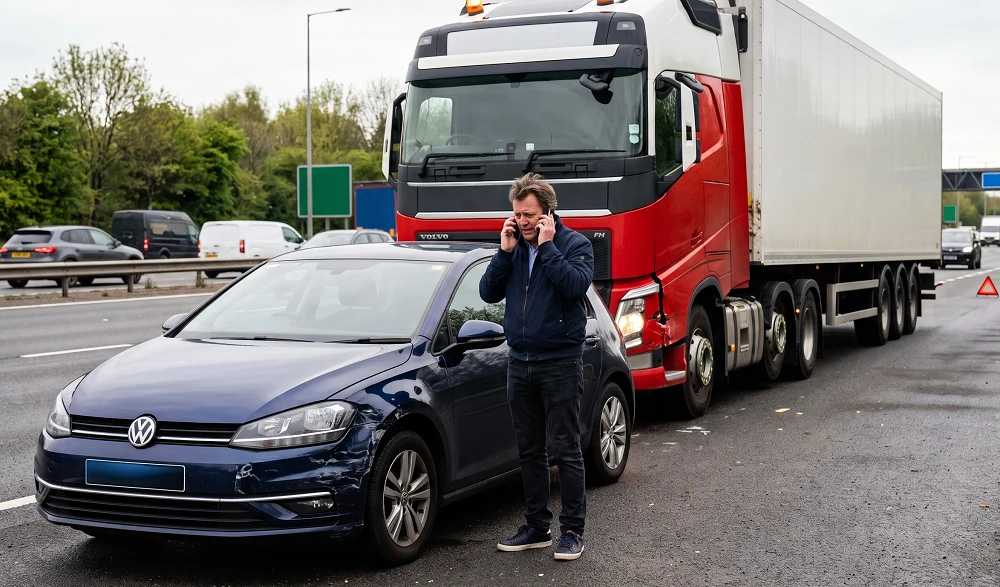
The actions taken after a collision affect both your health and the strength of your legal claim. Take the following steps when possible:
- Call law enforcement. Request police or Florida Highway Patrol assistance and ensure the collision is properly documented in an official report.
- Seek medical treatment. Prompt medical evaluation identifies injuries and establishes a record connecting them to the crash.
- Photograph and preserve evidence. Pictures of vehicle damage, the scene, debris, road conditions, and visible injuries can become important later.
- Get witness information. Names and phone numbers of independent witnesses are often the strongest evidence available.
- Report the accident. Notify your insurance company about the collision without providing recorded statements about fault.
- Keep financial records. Retain medical bills, receipts, repair estimates, and proof of lost income.
- Speak with an attorney. Truck accident claims often involve corporate defendants and multiple insurance policies. Early legal involvement helps preserve electronic logging device data and other evidence before it is overwritten or discarded.
Federal Regulations That Affect Truck Accident Claims

Commercial trucking companies and drivers must comply with rules issued by the Federal Motor Carrier Safety Administration (FMCSA). Violations of these regulations frequently become central evidence in a truck accident claim.
- Hours-of-service violations: Under 49 CFR § 395.3, federal rules cap driving time at 11 hours after 10 hours off duty, on-duty time at 14 hours, and weekly totals at 60 to 70 hours, and drivers who push past these limits face a much higher risk of causing a fatigue-related crash.
- Electronic logging devices (ELDs): Most commercial drivers must use ELDs to record driving hours. These records become important evidence after a crash and can be subpoenaed during the claim process.
- Driver qualification and drug testing: Drivers must hold a valid Commercial Driver's License (CDL), pass medical examinations, and submit to drug and alcohol testing both pre-employment and after qualifying accidents.
- Vehicle inspection and maintenance: Pre-trip inspections, periodic vehicle inspections, and documented maintenance are required. Gaps in inspection records can support claims of negligent operation.
- Cargo securement: Federal standards govern how cargo must be loaded, distributed, and secured. Failure to follow these standards can shift liability to shippers and cargo loaders.
Compensation Available After a St. Petersburg Truck Accident
The financial impact of a truck accident often extends well beyond the initial medical treatment. Florida law allows recovery for both economic and non-economic damages.
These damages cover the calculable financial losses from a truck accident, including emergency care, hospitalization, surgeries, rehabilitation, medications, and projected future treatment. This category also includes income lost while recovering, paid time off used due to the crash, diminished earning ability from long-term limitations, vehicle repair or replacement costs, and, in a fatal accident, funeral expenses and loss of financial support for surviving family members.
This category addresses the physical and emotional toll a truck accident leaves behind, including physical pain endured during recovery, long-term physical limitations or disfigurement, anxiety, post-traumatic stress, and the inability to return to activities, hobbies, or daily routines that were part of life before the crash. Family members who lose a loved one may also recover for loss of companionship.
Why Clients Choose Zervos & Calta

Choosing a truck accident attorney in St. Petersburg comes down to who actually handles the case and how prepared they are to litigate against corporate defendants. Here is what sets our firm apart:

Proven Trial Experience
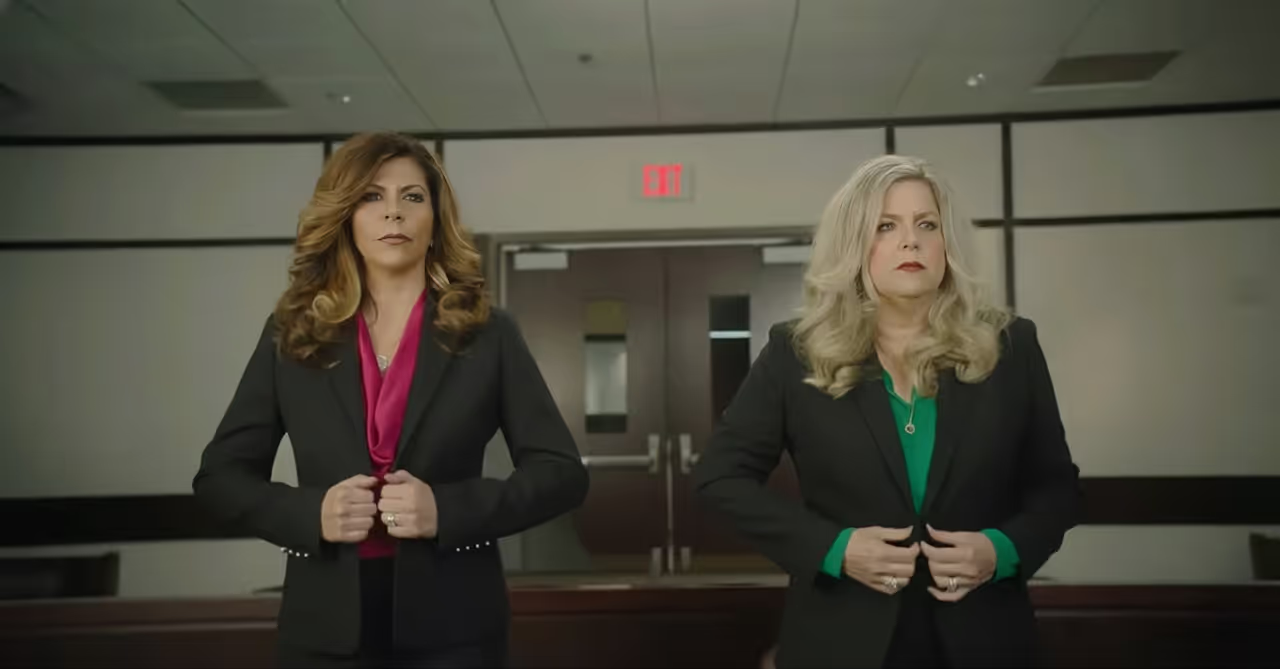
Angela Zervos and Lauren Calta have nearly six decades of combined litigation experience in Florida courts. Angela holds an AV Preeminent rating from Martindale-Hubbell and has been undefeated at trial for over 20 years. Both partners are members of the Million Dollar and Multi-Million Dollar Advocates Forum.
.svg)
Direct Attorney Representation
Clients work directly with our skilled attorneys handling the case rather than being passed from person to person and inexperienced staff. Every call, document, and strategic decision involves Angela or Lauren personally.

No Upfront Fees
We represent injury victims on a contingency fee basis. You owe nothing unless we recover compensation for you.

Focused Personal Injury Practice
Our work centers on representing injured individuals and families throughout the Tampa Bay area. We do not split focus between unrelated legal areas.














%20(1)%201.avif)
%20(1)%201.avif)
%20(1)%202.avif)
%201.avif)
%201.avif)
%20(1)%201.avif)
Meet the Attorneys
 "Insurance companies have teams of lawyers. You deserve an attorney who knows your name and fights just as hard for you."
Angela Zervos
With 20+ years of undefeated litigation experience, Angela delivers aggressive advocacy and genuine care for every client.
 "Our clients aren't case numbers. They're our neighbors who need someone who genuinely cares about their recovery."
Lauren Calta
With 30 years of courtroom experience, Lauren blends fierce representation with compassion and clear communication.




Hear from Former Clients
Our clients describe what working directly with two trial attorneys looks like during one of the most stressful moments of their lives.
Serving St. Petersburg and Pinellas County
Our firm represents truck accident victims throughout St. Petersburg and the surrounding Pinellas County communities:
- St. Petersburg
- Gulfport
- Largo
- Pinellas Park
- Seminole
- Treasure Island
- Madeira Beach
- St. Pete Beach
- Tierra Verde
- Other communities across Pinellas County

Speak with a St. Petersburg Truck Accident Lawyer at Zervos & Calta Today
A commercial truck collision can leave you facing extensive medical treatment, lost income, and uncertainty about what comes next. The St. Petersburg truck accident lawyers at Zervos & Calta, PLLC are ready to investigate the crash, identify every responsible party, and pursue full compensation on your behalf. Call (727) 296-0021 or contact us today to schedule your free consultation.
Frequently Asked Questions
The timeline varies depending on liability issues, the severity of injuries, ongoing medical treatment, insurance negotiations, and whether litigation becomes necessary. Some cases resolve within months. Others require a year or more, particularly when multiple defendants and corporate insurers are involved.
Many truck accident claims resolve through settlement. Some require courtroom litigation when carriers refuse a fair outcome. Every case follows its own course, and we prepare each one as if it will go to trial. This exhaustive preparation often produces stronger settlements.
Be cautious. Statements made early in the process, particularly recorded statements, may later be used to reduce your recovery. Trucking insurers often send adjusters or investigators to the scene within hours. Speaking with an attorney before any recorded conversation protects your claim.
Florida follows a modified comparative negligence system under Florida Statute § 768.81. You may still recover damages if you are less than 51% at fault, though your compensation will be reduced by your assigned percentage. Insurance adjusters often inflate that percentage. We counter that with evidence.
Early offers often arrive before the full extent of injuries and future medical costs are known. Accepting one quickly can mean signing away the right to seek additional compensation later if injuries worsen. Have any offer reviewed before signing.
For crashes that occurred on or after March 24, 2023, Florida Statute § 95.11 sets a two-year deadline for most personal injury lawsuits arising from motor vehicle accidents, including truck accidents. Wrongful death claims carry the same two-year limit.